Things to do in Milan: a guide by area and interest
There are so many things to do in Milan that the real challenge is deciding what to leave out. The city is known for its cathedral, its fashion and its football, yet it is also a place of quiet courtyards, great picture galleries, modern towers, canals, parks and long dinners that begin with an aperitivo. This guide gathers the best of it in one place, organised by area and by interest, so you can build a visit that matches your time and your taste instead of following a generic list.
You will find the classic sights first, then art and history, architecture and modern Milan, shopping, food and evenings out, family ideas, football and concerts, a few ways to relax, and a note on day trips. Where we describe how to visit a sight, we point you to its official website, because opening arrangements and ticketing change from season to season and you should always check them before you go.
The essential sights around the Duomo
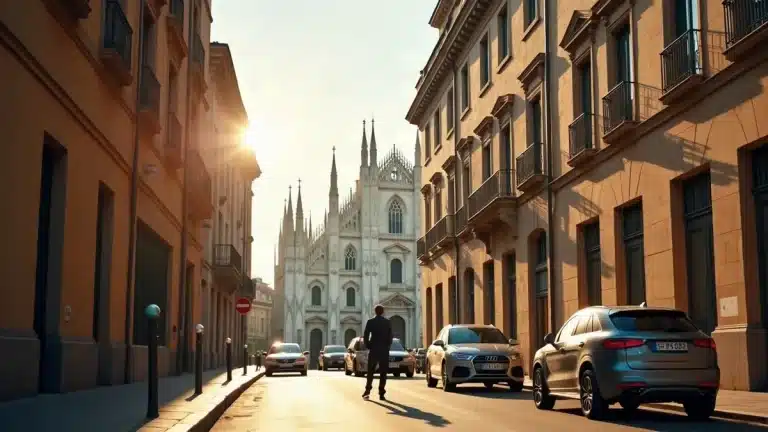
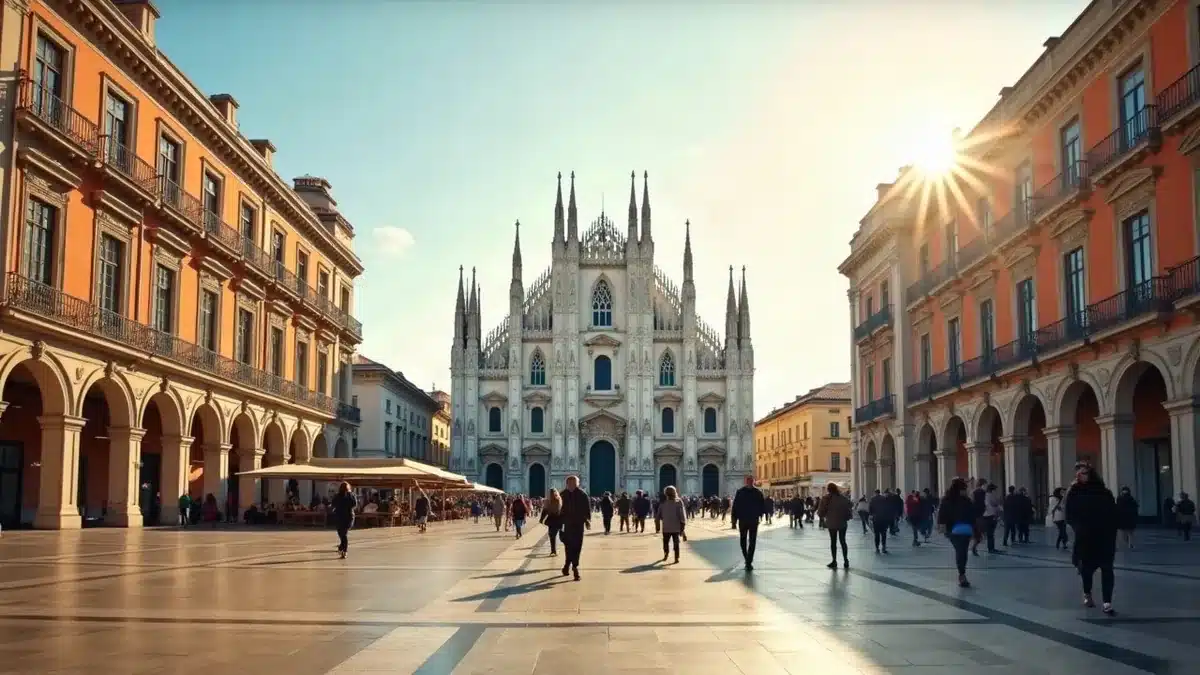
Almost every first visit begins at Piazza del Duomo, and with good reason. The cathedral dominates the square with its forest of spires, and the experience is worth planning: the official website of the Duomo di Milano links to its ticket types, guided tours, the cathedral museum and an accessibility section, so you can choose what you want to see before you queue. If you can, build your visit around the museum as well as the interior, because seeing the sculptures up close gives you a better sense of how the building was made.
Right beside the square stands the Galleria Vittorio Emanuele II, the glass-roofed arcade that leads towards the opera house, Teatro alla Scala. Walking through it takes a few minutes, but it is one of the most photographed places in the city, and it is a good place to pause for a coffee. From here, the main shopping streets, the fashion district and the elegant quarter of Brera are all a short walk away, which makes this area the natural starting point for a first day.
A good rule is to see the cathedral and the Galleria early in the day, before the crowds build, and keep the afternoon for something slower. If you are staying farther out, the metro takes you to the centre quickly: as the transport authority explains on its page for visitors, you can pay with a contactless card or device on the metro, trams and buses, and the system calculates the right fare for your journey.
Art, history and Leonardo
For many travellers, the single most memorable thing to do in Milan is to see Leonardo da Vinci’s Last Supper. The painting is in the refectory beside the church of Santa Maria delle Grazie, which is recognised as a World Heritage Site together with the mural. The official site, Cenacolo Vinciano, is clear about the most important point: booking is mandatory for every type of ticket, and the visits are short and timed for limited groups, so you should reserve through the official channels well before your trip rather than hoping to buy on the day.
The city’s other great collection of paintings is the Pinacoteca di Brera, in a historic palace at Via Brera 28. The official site of the Pinacoteca describes a distinctive feature: a transparent restoration laboratory designed by Ettore Sottsass, set inside the museum, which allows visitors to watch conservators at work. The same complex also holds a drawings cabinet and a photographic library, and a nearby building houses contemporary collections.
History lovers should also look at the Castello Sforzesco, the great brick fortress at the edge of the old centre, with its courtyards and museums, and at the Basilica of Sant’Ambrogio, one of the oldest and most important churches in the city. Both are among the places that regularly appear on lists of the most visited sights in the city, and both are easy to combine with a walk in the neighbouring park, Parco Sempione, which stretches behind the castle to the Arco della Pace.
If you have more time, there are quieter treasures worth seeking out: small house museums, the monumental cemetery with its remarkable sculpture, the church of San Maurizio al Monastero Maggiore with its painted interior, and the Pinacoteca Ambrosiana. They are all places that reward a slower pace and a curious eye.
Modern Milan: towers, squares and skyline
Milan has reinvented its skyline in the last two decades, and walking through the new districts is a very different experience from the old centre. The Porta Nuova redevelopment, which joins the Garibaldi, Isola and Varesine areas, brought new towers, green areas, cycle paths and pedestrian zones. At its heart is Piazza Gae Aulenti, a raised circular square designed by the architect Cesar Pelli, where concerts and public events are often held and where you get a good view of the contemporary city.
Not far from there, Palazzo Lombardia, the seat of the regional government, has a Belvedere on the 39th floor that has been open to the public on Sundays for an unguided visit, with views across the city. The opening arrangements can change, so check them before you plan your day around it. Nearby, the Isola district keeps a more local feel, with small shops, restaurants and cafés, and the long strip of Corso Como is one of the city’s best-known streets for an evening stroll.
On the west side of the city, the CityLife district offers another face of contemporary Milan, with three business towers named after their architects, a large park and a shopping area. It is a pleasant place for a walk, especially in the late afternoon, and it is close to the neighbourhood around Studio Inn De Angeli.
Shopping in Milan
Few cities are so closely identified with shopping. The fashion district, with its famous streets, is the place for the great Italian houses, while the streets around the cathedral have the large international brands. If you prefer a more everyday kind of shopping, Corso Buenos Aires, near Porta Venezia, is described as one of the longest shopping promenades in the city, with around 350 shops, from large chains to emerging brands.
On the west side, the streets of Corso Vercelli and Via Marghera offer small shops, historic stores, restaurants and ice cream parlours, and they are a pleasant, less crowded alternative to the busiest shopping streets of the centre. They are about 900 metres on foot from Studio Inn De Angeli. Whichever street you choose, check the opening times of the shops you most want to visit before you set out.
Navigli, aperitivo and eating well
Milan is a city that eats and drinks well, and one of its best habits is the aperitivo, the early-evening drink with a plate of food, which is part of the daily rhythm. The Navigli district, with its canals, is the most famous place for it, and its banks are crowded with bars and restaurants after sunset. Other neighbourhoods have their own versions: Brera for a more refined evening, Isola and Porta Nuova for modern venues, and Porta Venezia for casual places that suit every budget.
If you enjoy walking beside water in a quieter setting, look at the Naviglio della Martesana, the navigable canal that connects the city with the river Adda. It runs for some 38 kilometres, and in the Gorla district it passes the Parco della Martesana, a wide green area for walking or jogging. It is an easy way to see a calmer side of the city.
Things to do in Milan with children
Milan is more family-friendly than its reputation suggests. Parco Sempione is a natural stop for letting children run after a morning of sightseeing, and the science and technology museum devoted to Leonardo da Vinci is a popular stop for families with older children. The castle courtyards are large enough for a short rest, and the gentle pace of a walk along a canal suits younger children as well.
The practical side matters as much as the sights. Travelling with children is easier from a base where you can prepare a simple meal, have a little more room and put them to bed early. That is one of the reasons many families prefer an apartment with a kitchenette, such as those at Studio Inn De Angeli, where an extra bed or a cot can be requested. Whatever you choose, plan one main activity per day and leave space for rest.
Football, concerts and big events
San Siro, officially the Giuseppe Meazza stadium, is one of the best-known football grounds in the world, and the stadium is also used for large concerts. It hosts the home games of both Milan and Inter, and its capacity is around 80,000, which makes it the largest in Italy. If you are visiting on an event day, plan your journey carefully: ATM publishes advice on the transport changes around the stadium, including the M5 stations of San Siro Stadio and Lotto, and warns that some stations may be crowded or closed for a short time after the event.
The city also hosts important trade fairs and congresses during the year, which can affect availability of rooms, so it is wise to book ahead if your dates coincide with a major event. If you are choosing a base for a stay built around the stadium, we have a separate guide to the hotels and the best way to reach San Siro.
Relaxing: spas, sport and a pause from sightseeing
A city break can be tiring, and building in a moment of rest makes the rest of the trip more enjoyable. If you are staying at Studio Inn Centrale, you can book the spa and wellness area, which has massage cabins, a sauna, a reaction pool and a relaxation area, open every day from 8am to 11pm for guests of the property, by booking. The hotel also hosts three indoor padel courts, which are a pleasant way to spend an hour if you travel with friends or colleagues.
The property also has a rooftop terrace, which is a good place to end the day with a view over the district. For a deeper look at what the property offers, you can read about Studio Inn Centrale.
Day trips and further afield
Milan is a very good base for exploring northern Italy. Lake Como, with its villas and towns on the water, is a classic day trip from the city, and the railway station of Milano Centrale, the main hub for regional and international trains, is the starting point for many journeys. Other options include Bergamo, with its walled upper town, and Pavia, with its historic monuments. If you plan to leave the city for a day, choose a base with an easy connection to the station so that you can leave early and return without stress.
The same applies if you arrive or depart through one of the airports. Shuttle buses connect Milano Centrale to Linate, Malpensa and Bergamo, and the Malpensa Express reaches Cadorna station in about 45 minutes, from where the red metro line continues to the west of the city.
How to put it all together
With so much to see, the best advice is to group your plans by area rather than by theme. Spend one morning in the centre with the cathedral, the Galleria and the castle; another around Brera and the fashion district; a third in the modern districts of Porta Nuova and Isola; and keep an evening for the Navigli. Reserve the Last Supper well in advance, since it is the one visit you cannot improvise, and leave a flexible half-day for whatever surprises you along the way.
Think too about where you sleep. A base on a direct metro line saves time every day, and our two properties give you a choice: see where they are on the map and decide which side of the city suits your plans.
Key takeaways
The best things to do in Milan start around Piazza del Duomo, with the cathedral, its museum and the Galleria Vittorio Emanuele II. Art lovers should reserve the Last Supper in advance through the official channel, visit the Pinacoteca di Brera and explore the Castello Sforzesco and Parco Sempione. Modern Milan is found in Porta Nuova, Piazza Gae Aulenti, Isola and CityLife. For shopping, choose the fashion district, Corso Buenos Aires or the quieter streets of Corso Vercelli and Via Marghera; for evenings, choose the canals of Navigli. Families benefit from a base with a kitchenette, football fans should plan their journey to San Siro with ATM advice, and Lake Como is the classic day trip. Always check official websites for opening arrangements before you go.
Frequently asked questions about things to do in Milan
What are the top things to do in Milan?
The most popular choices are the Duomo and its museum, the Galleria Vittorio Emanuele II, the Last Supper by Leonardo, the Castello Sforzesco with Parco Sempione, the Pinacoteca di Brera, an evening in the Navigli district and a walk through Porta Nuova and Piazza Gae Aulenti. Football fans can add San Siro, and shoppers the fashion district.
Is English widely spoken in Milan?
In hotels, major museums, restaurants in the central areas and shops used to international visitors, you will usually manage in English. In smaller local places, a few words of Italian are always appreciated and make things easier. At our properties the reception staff speak Italian and English.
Are the trams in Milan free?
No. According to the city’s transport authority, tickets are valid on the metro, buses, trams and trolleybuses, and you can pay with a contactless card or device, buy a ticket from the machines in metro stations, or use the official app. Check the current fares on the ATM website before you travel.
What is going on in Milan today?
The best way to find out is to check the official calendars of the places you plan to visit, such as the cathedral, the museums, the theatres and the stadium, and the city’s tourism information. Our reception can also give you a guide to the city and suggest what is on during your stay.
Make Milan your own
The best trips to Milan are rarely the ones that tick off the longest list. They are the ones where you chose a few places that truly interested you, left time for a long lunch and slept in a place that made each day easier. Take your time, book the one visit that needs a reservation, and let the rest of the city surprise you.
Book your stay directly with us: choose your room or apartment and check the available dates. If you would like advice on where to stay or how to plan your days, contact us and we will be glad to help.